Cinema and female gaze
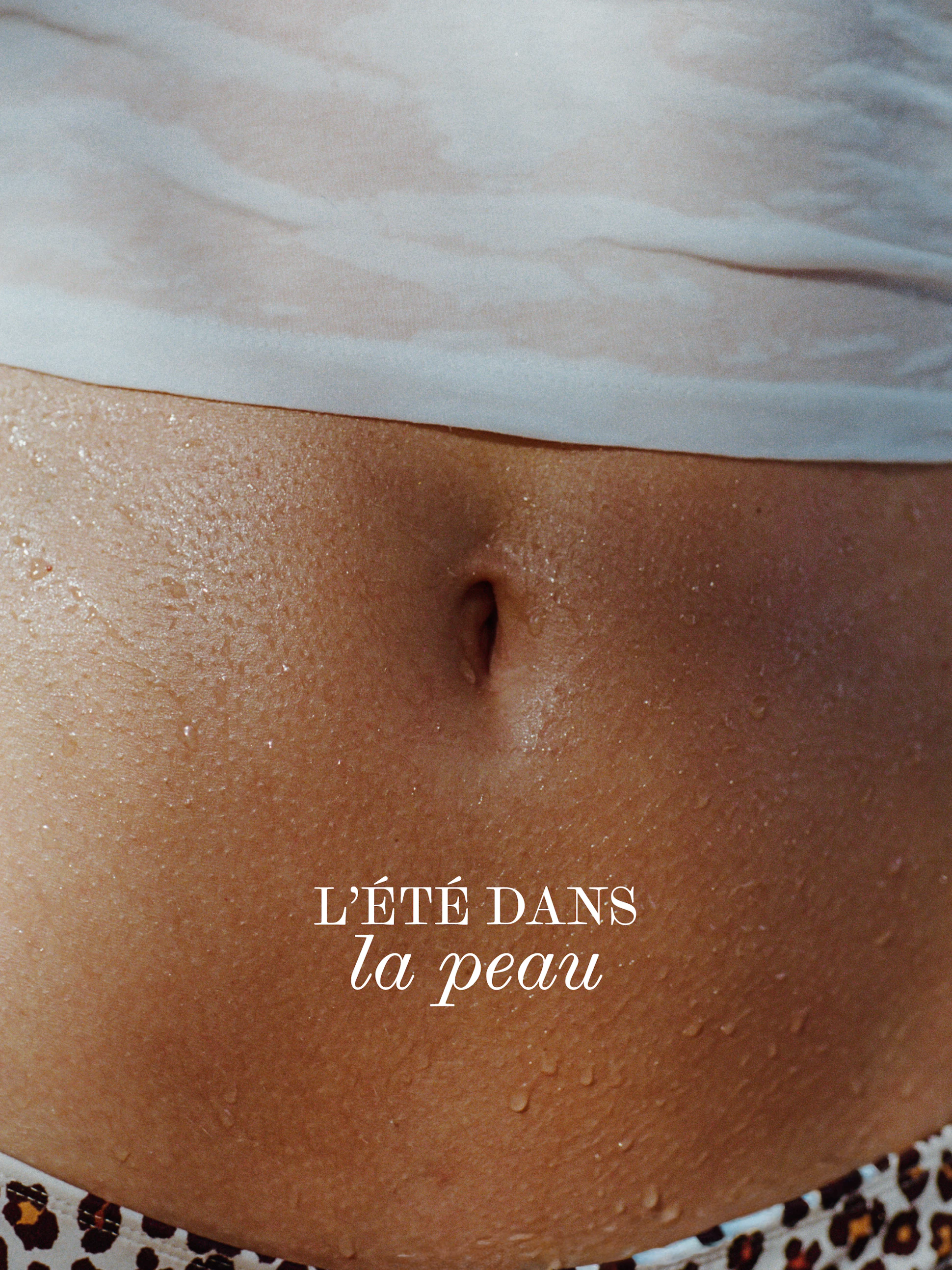
Summer under the skin - A film curation exploring the female gaze
A naked woman who looks back, and the whole of Paris gasps.
Or how centuries of art history have shaped the way women look at themselves in the mirror.
I have always been fascinated by the fact that every gesture in our daily lives, which we think of as new, is in fact the legacy of habits and customs, by the way in which history weighs, silently, upon our most ordinary lives.
Take this gesture, not entirely trivial, mind you, but still, which accompanies all women from a very young age: looking at oneself in a mirror. Pausing, assessing oneself, tucking in one’s tummy, adjusting a strand of hair. In fact, we’re spending more and more time in front of our mirrors, under the guise of self-care and wellness routines (mind you, I’m guilty of this too). We believe that this way of looking at ourselves is our own. In reality, it has five centuries of history behind it. And the history of art, which I’m particularly fond of, is no stranger to this, quite the opposite, in fact. The influence of art on the way women view themselves stretches back centuries.
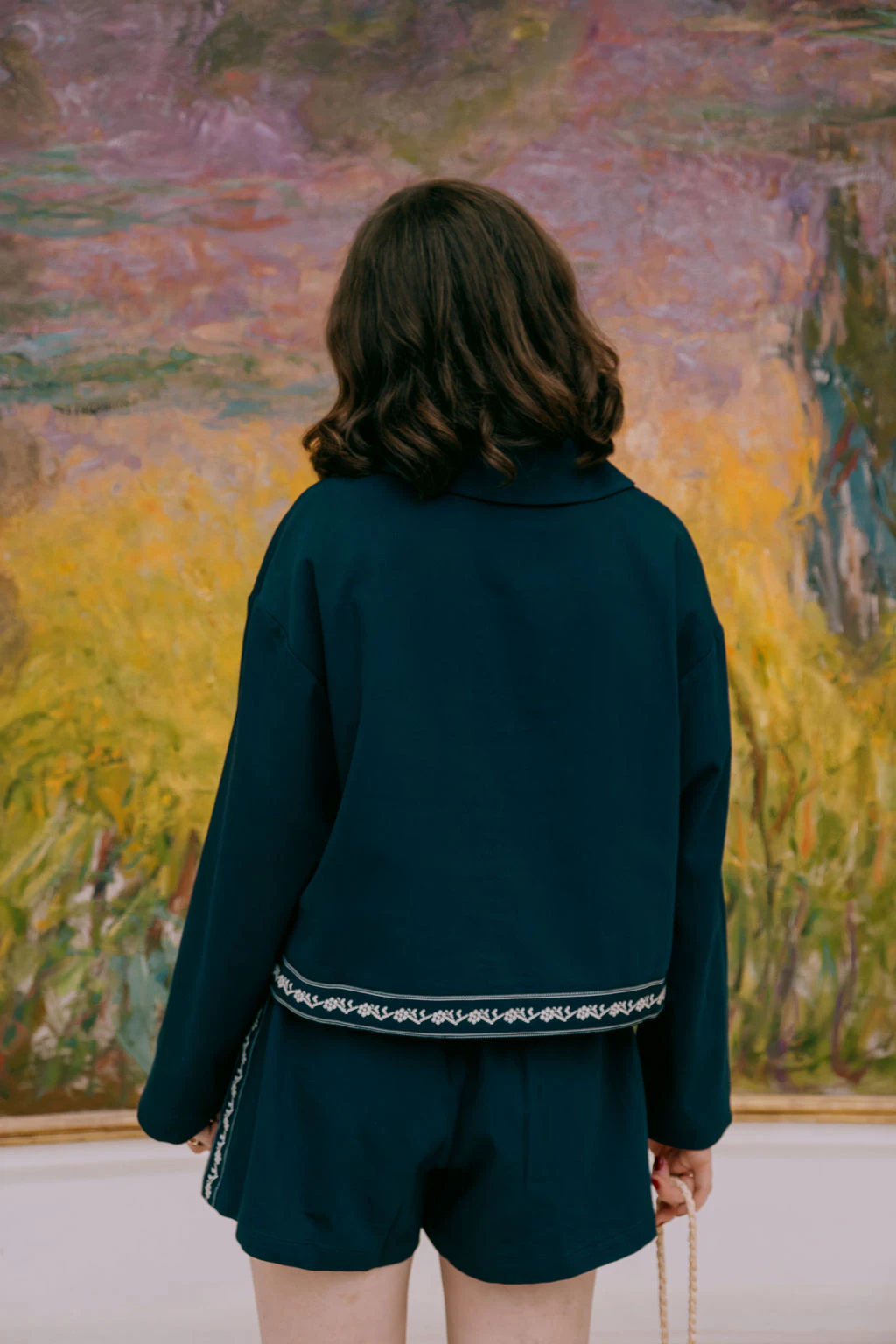
Credit © K G S FRENCH
I have always been fascinated by the fact that every gesture in our daily lives, which we think of as new, is in fact the legacy of habits and customs, by the way in which history weighs, silently, upon our most ordinary lives.
Take this gesture, not entirely trivial, mind you, but still, which accompanies all women from a very young age: looking at oneself in a mirror. Pausing, assessing oneself, tucking in one’s tummy, adjusting a strand of hair. In fact, we’re spending more and more time in front of our mirrors, under the guise of self-care and wellness routines (mind you, I’m guilty of this too). We believe that this way of looking at ourselves is our own. In reality, it has five centuries of history behind it. And the history of art, which I’m particularly fond of, is no stranger to this, quite the opposite, in fact. The influence of art on the way women view themselves stretches back centuries.
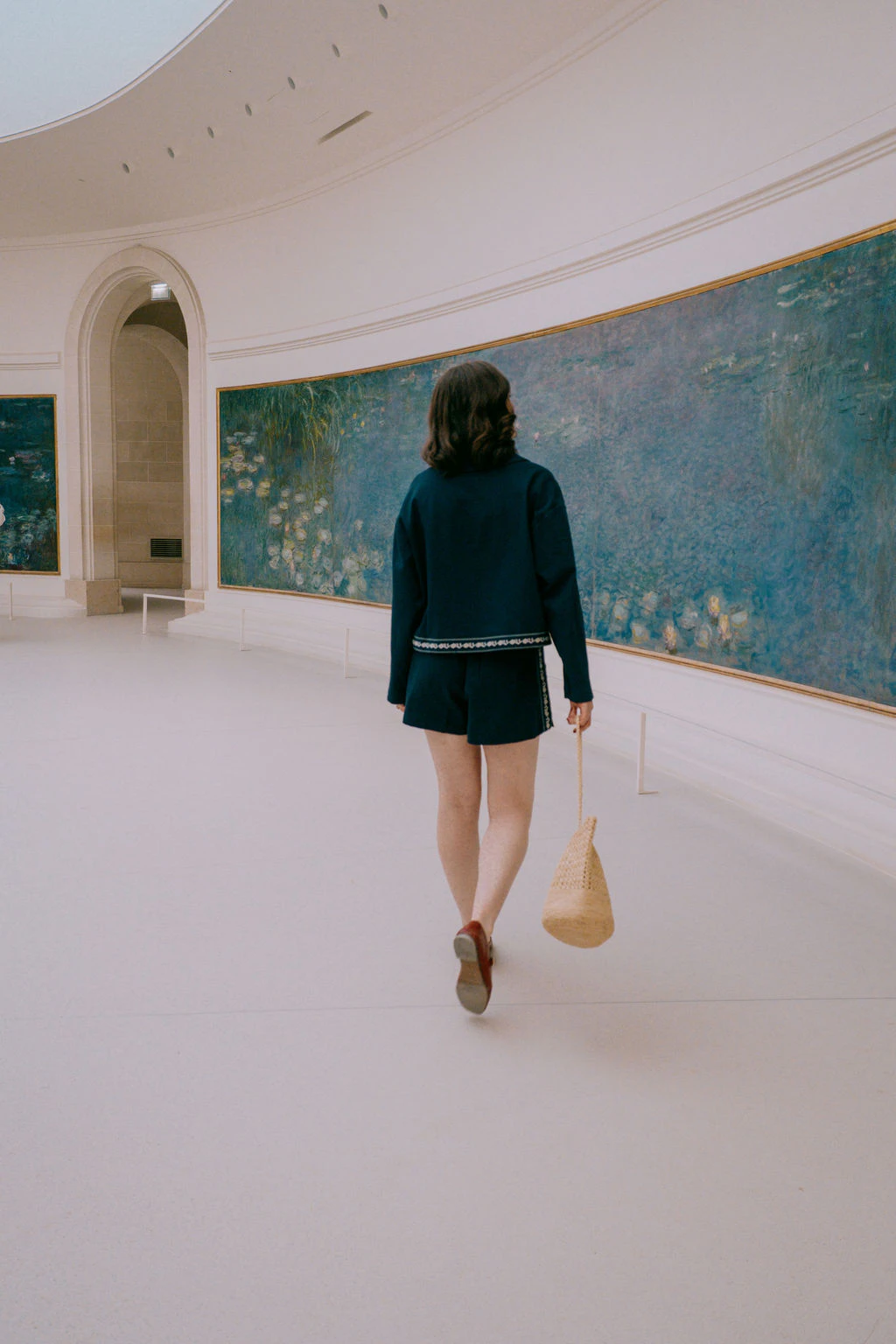
Credit © K G S FRENCH
Centuries of women being looked at
If we were to summarise Western art in a single motif, it would undoubtedly be this: a woman’s body, naked or nearly so, presented for all to see. Reclining Venuses, odalisques, bathers caught unawares… the museums are full of them. Bodies arranged, smoothed and composed for someone else’s gaze. Painted by men, commissioned by men (for their own pleasure), collected and judged by men.
Yet images and bodies have always been governed together. Not that painting dictated the norms, that was the role of fashion, morality and society… but art recorded them and, above all, enshrined them: by capturing on canvas the milky skin, the youthful flesh, the graceful pose and the calculated modesty, it transformed the conventions of the age into a timeless ideal. What fashion imposed on bodies (corsets, constrained silhouettes), painting made appear as beauty. And an ideal hung on a wall outlives all fashions: it continues to dictate, century after century, what a woman’s body ought to be.
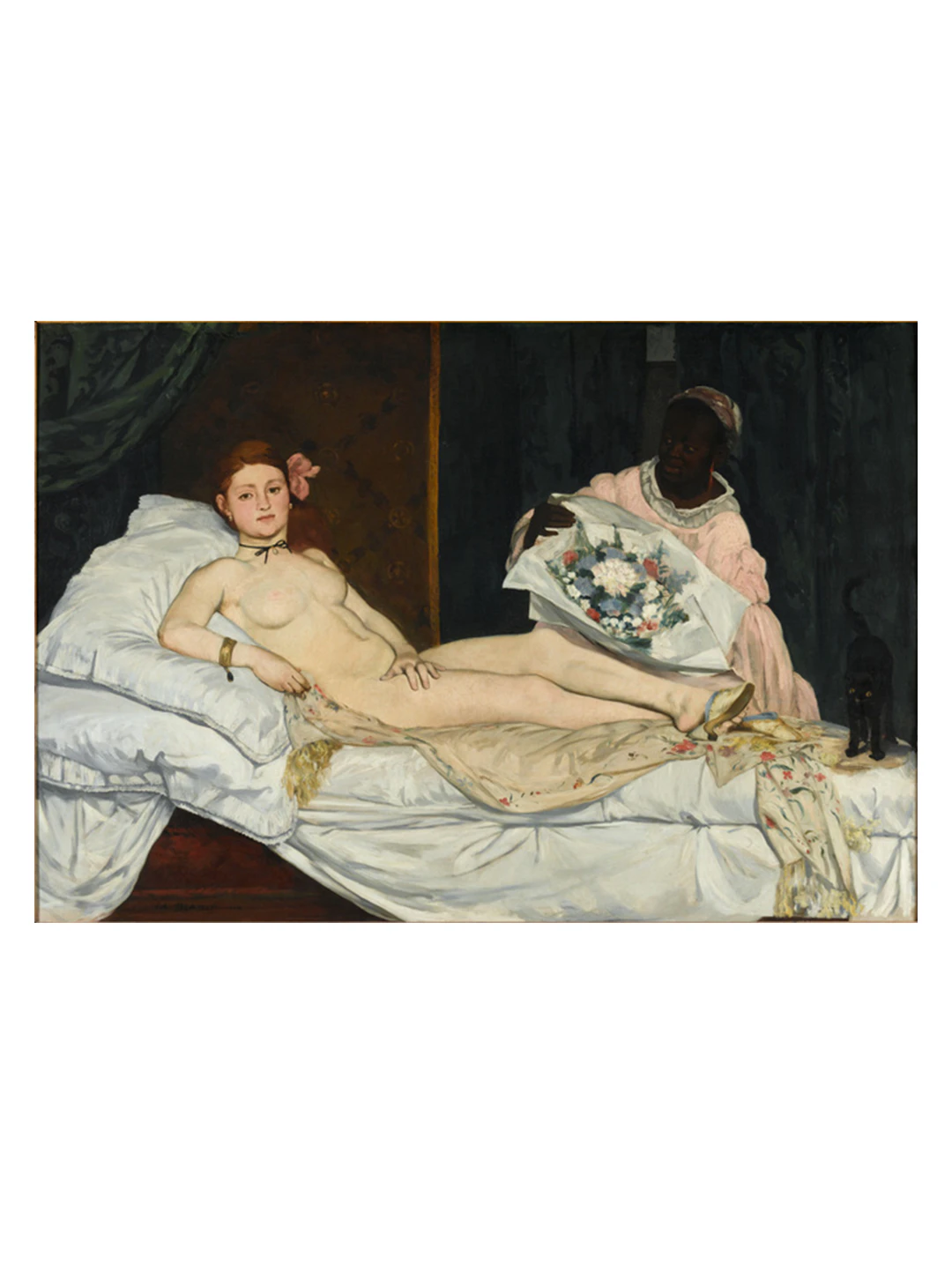
In these paintings, the woman is everywhere and nowhere. She is one of the most frequently depicted subjects in European painting, yet almost never the one casting the gaze. She is a muse, a model, an allegory, a backdrop. She appears; she does not look. This, incidentally, is what caused such a scandal with Manet’s Olympia in 1865: not her nudity (the Salons were full of it) but her gaze. This woman stares at us, head-on, without any mythological justification. A naked woman who looks back, and the whole of Paris is in an uproar.
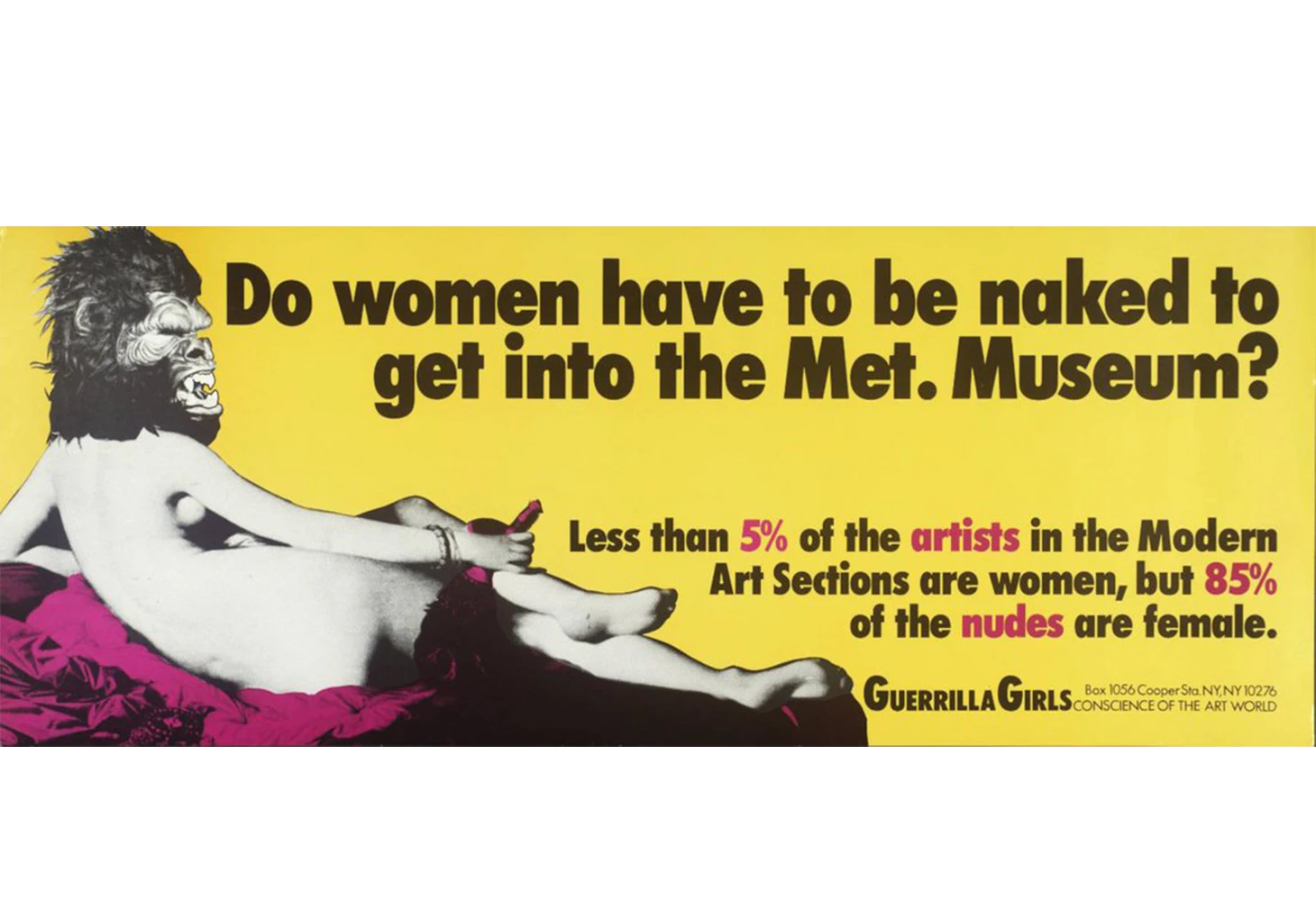
In 1989, the Guerrilla Girls collective summed up centuries of history in a single poster: at the Metropolitan Museum in New York, fewer than 5 per cent of the artists exhibited in the modern art sections were women, yet 85 per cent of the nudes were female. Their question was encapsulated in a single line: do you have to be naked to get into a museum? And on the poster, serving as a manifesto, Ingres’s Grande Odalisque wearing a gorilla mask.
The spectator within us
One might think that all this applies only to museum walls. But that would be to underestimate the power of images, particularly in the 21st century. For, through being depicted in this way, generation after generation, women have come to internalise this perspective.
It was John Berger who put it most aptly, in Ways of Seeing (1972): ‘Men look at women. Women look at themselves being looked at.’ A woman, he writes, is almost always accompanied by her own image of herself; she carries her own overseer within her. We see ourselves from the outside, constantly, as if we were a painting being assessed. A few years later, film theorist Laura Mulvey would give a name to this phenomenon: the male gaze, that masculine gaze which structures images and which, over time, has become embedded in our own eyes.
The most unsettling thing is that this gaze did not disappear with the 19th-century Salons. It simply shifted to a new medium. The pose, the framing, the flattering light, the expectation of validation: the academic nude has been reincarnated on our screens. And the control over bodies has followed suit: filters smooth the skin like the glazes of the old masters, retouching idealises just as Ingres’s brush did, and cosmetic surgery sculpts the body to meet the standards that painting had set long before our mobile phones. Here we are, having become at once the painter, the model and the work to be corrected. When we choose the angle of a selfie, we compose the shot, often without realising it, according to rules laid down centuries ago by men we have never read or met. Crazy, isn’t it? So one question springs to mind: who are we really looking at when we look at ourselves?
Those who turned the tables
But the history of art is not merely the story of our dispossession. It is also, more subtly, the story of reclaiming our place.
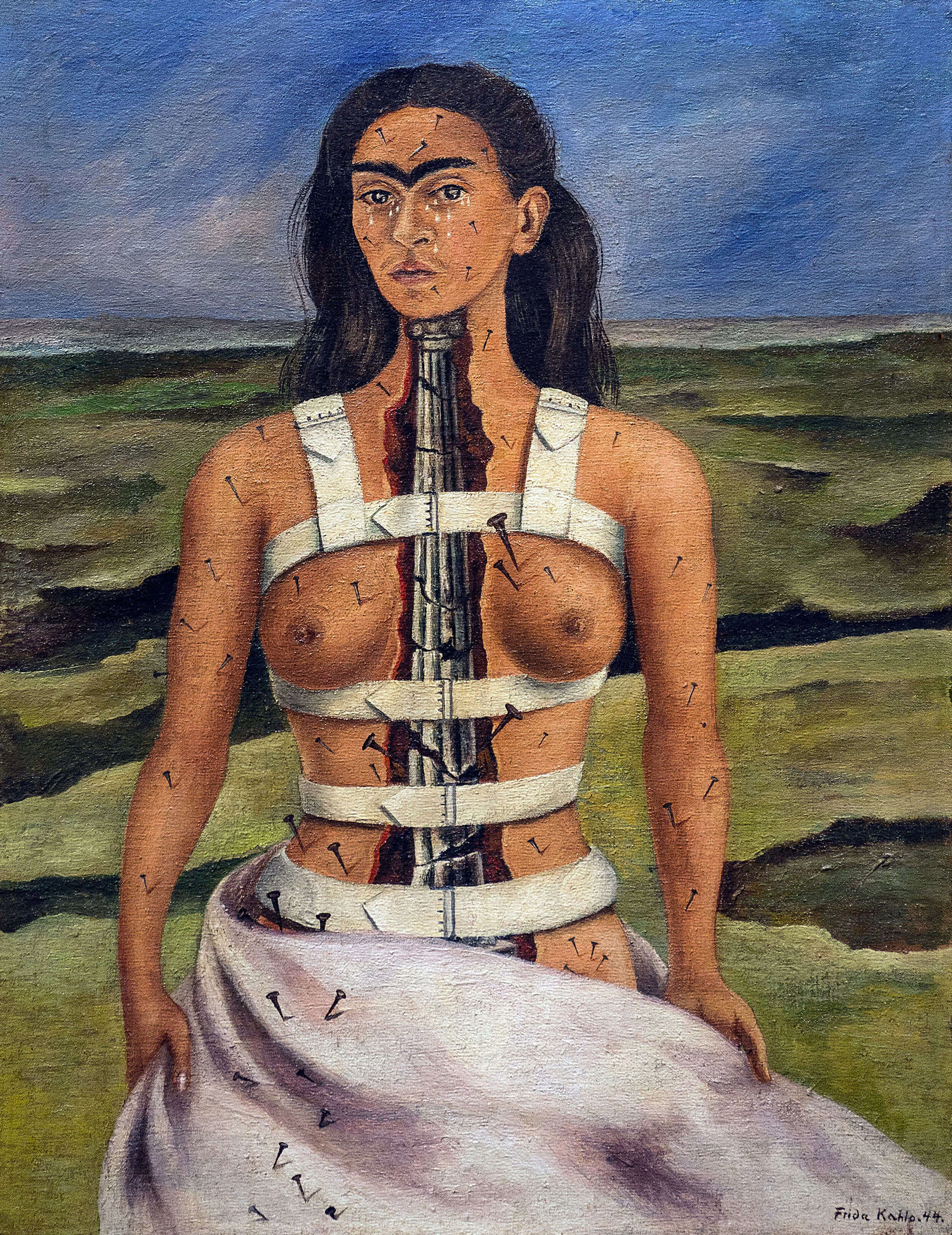
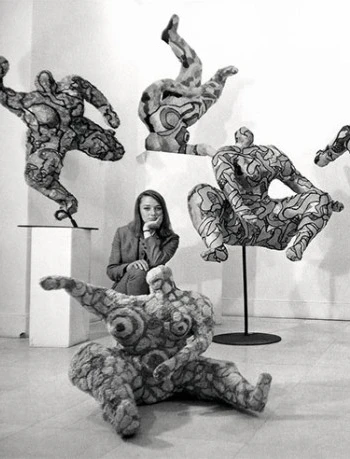
In the 17th century, Artemisia Gentileschi painted powerful, active, avenging women, bodies that act, rather than bodies that pose. Suzanne Valadon, a former model turned painter, depicted women’s bodies without complacency or idealisation: real bodies, in real gestures. Frida Kahlo made her own body, wounded, operated on, suffering, the central subject of her work, transforming what was meant to be hidden into a realm of expression. Closer to our own time, Jenny Saville paints monumental, overflowing, magnificently alive flesh, the polar opposite of the smooth Venuses. And Niki de Saint Phalle makes her Nanas, enormous and joyful, dance, as if to thumb her nose in colour at centuries of constrained bodies.
What all these artists have in common is a shift: under their brushes, the female body ceases to be an object to be looked at and becomes, once again, a lived experience. It is no longer a surface to be contemplated; it is a place we inhabit.
Regaining control over how we see ourselves
That’s why this story feels so precious to me. It has personally helped me to understand something that had been weighing on me for a long time: the harshness I show towards myself, and which I recognise in almost every woman I know. That instinct to scan my reflection, looking first for what’s wrong. Well, none of that is entirely me. That little voice that comments, compares, corrects, and almost never says ‘well done’… isn’t a character trait, nor a personal flaw, nor a private matter between my mirror and me.
If we’re so hard on ourselves, it’s not because we lack confidence or willpower. It’s because we judge our bodies with an eye that was never meant to love them, an eye trained, over centuries, to evaluate smooth, silent Venuses. Realising this has done me a world of good: my harshness isn’t entirely my own. It’s a legacy. And the good news is that what has been built up can be broken down.
It can start on a modest scale. Simply by noticing those moments when we look at ourselves from the outside, as spectators of our own selves. By looking at other images: a Saville, a Nana, a self-portrait by Kahlo, and sensing how that changes the way we see. By asking ourselves, in front of the mirror: do I look at myself the way Ingres composes, or the way Valadon paints?
We did not choose this legacy. But we can choose what we make of it. After centuries spent as the muses of others’ gaze, we are left with the most beautiful role to take on: to become the artists of our own gaze.
CREDITS
Guerrilla Girls poster: Guerrilla Girls, “Do women have to be naked to get into the Met.Museum?”, 1989
Poster, 30.5 x 66 cm
From “The Compleat Portfolio”, 1985–2016
Kandinsky Library Collection
© Courtesy of mfc – Michèle Didier
The Grande Odalisque: The Grande Odalisque – Jean-Auguste Dominique Ingres – Musée du Louvre, Paintings RF 1158
Olympia - Manet : Édouard Manet, Olympia, 1863, oil on canvas
H. 130.5; W. 191 cm; weighs 120 kg with frame: H. 177.5; W. 239 cm
Donated to the State through a public subscription on the initiative of Claude Monet, 1890
© Musée d’Orsay, Dist. RMN-Grand Palais / Patrice Schmidt
Frida Kahlo, The Broken Column, 1944
Oil on Masonite • 33 x 43 cm • Collection of the Museo Dolores Olmedo Patino, Mexico City • © Leonard de Selva / Bridgeman Images
Niki de Saint Phalle surrounded by her ‘Nanas’ at the Alexandre Iolas Gallery, 1965 © Niki Charitable Art Foundation/DR © André Morain.
Summer under the skin - A film curation exploring the female gaze
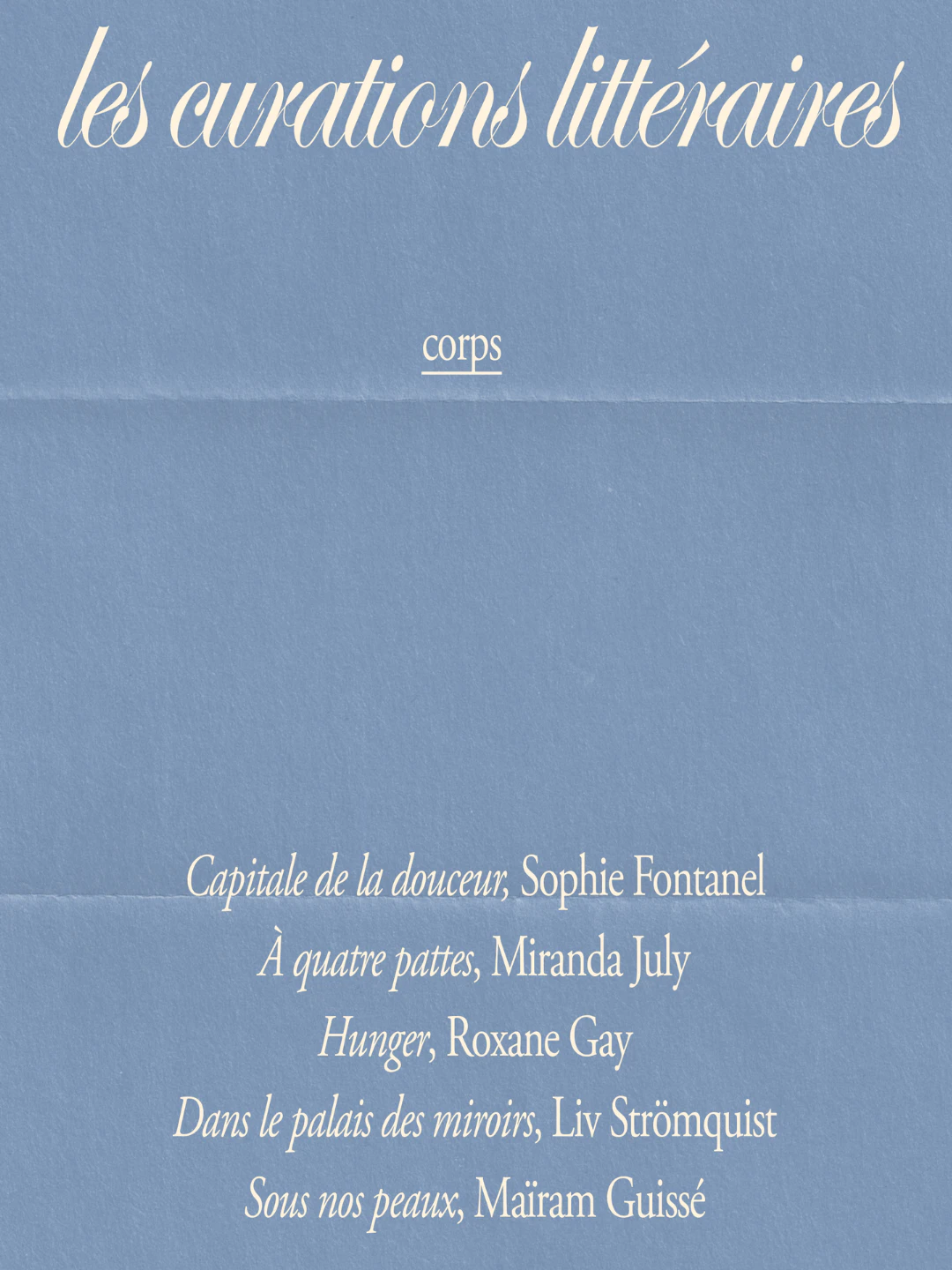
Summer under the skin - A collaborative literary curation exploring our relationship with the body
Or how centuries of art history have shaped the way women see themselves in the mirror.
Five women, five different journeys, but always the same desire to learn to love ourselves.