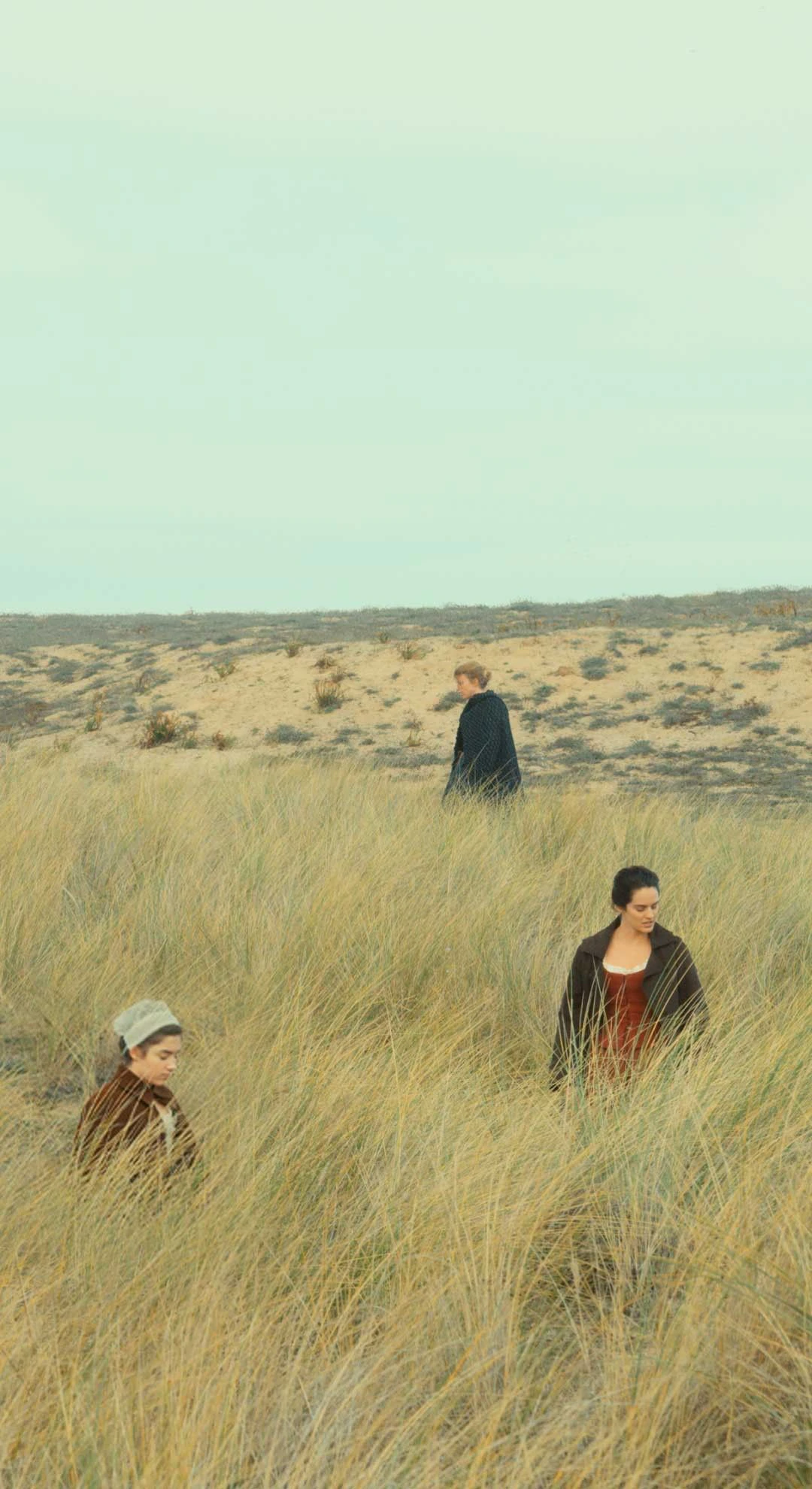
Cinema and female gaze
Summer under the skin - A film curation exploring the female gaze
FOR A MORE COMFORTABLE MATERNITY EXPERIENCE
(Re)learning to look after your body
Because looking after your body throughout pregnancy is by no means a trivial matter.
During pregnancy, your body is the centre of everything, but…
When you become a mother, certain priorities naturally take precedence. Health, first and foremost; your baby’s and your own, of course. Anything that helps your body cope as well as possible with the intense physical challenges of pregnancy, childbirth and the postpartum period.
During pregnancy, your body is closely monitored. Medical appointments punctuate the months. The focus is on ensuring it functions properly, on what it needs to do to ensure everything goes as smoothly as possible.
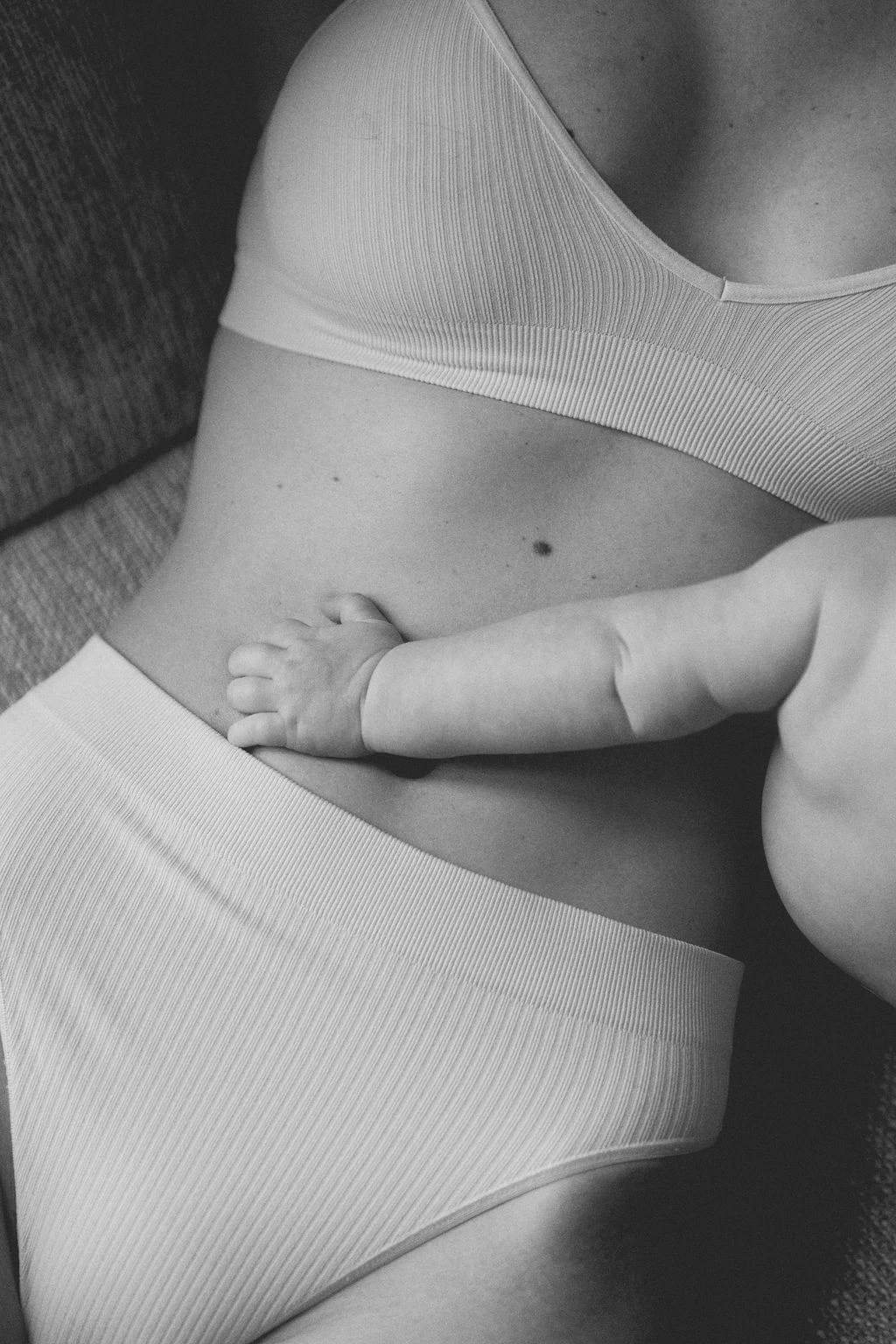
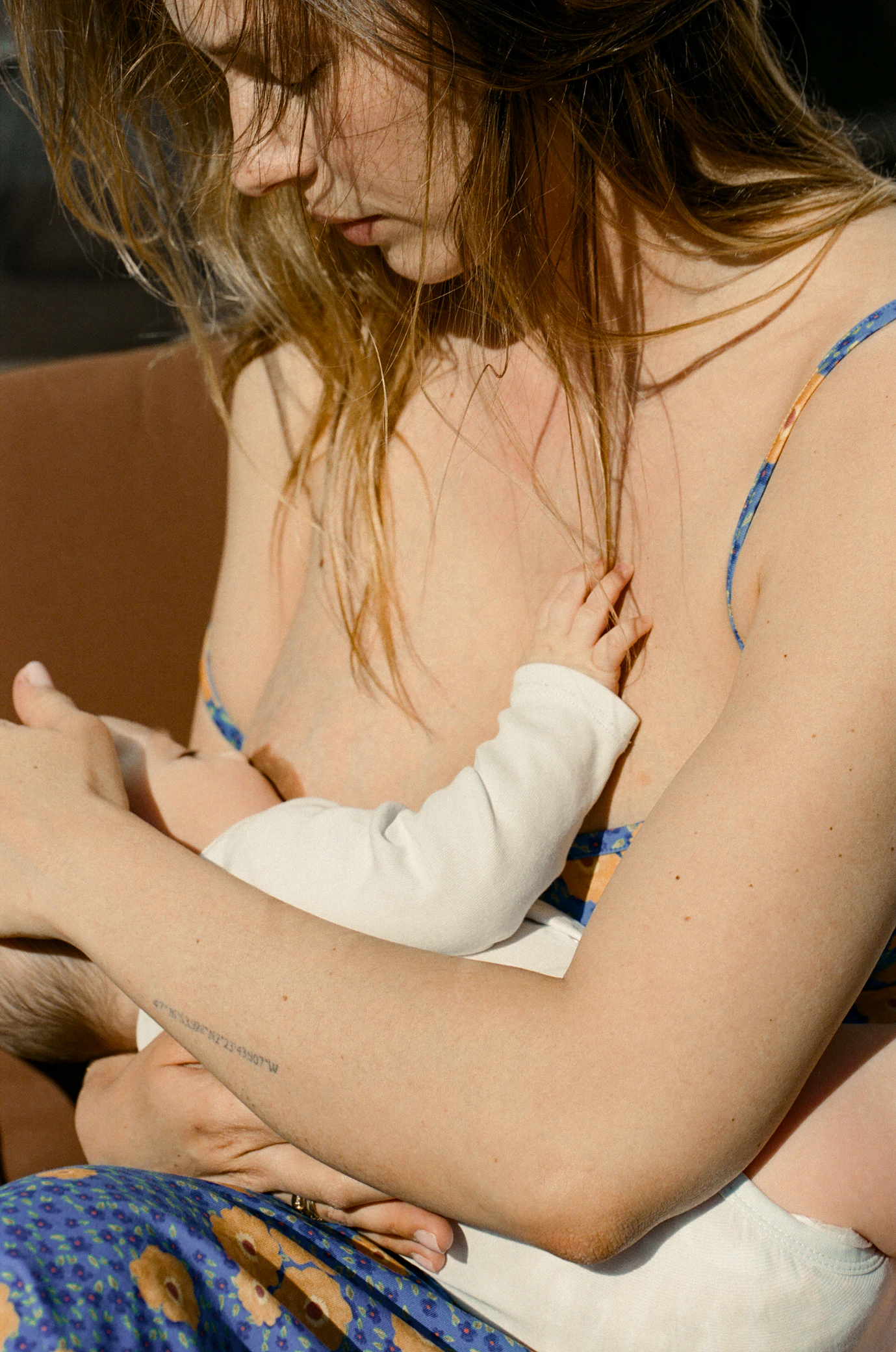
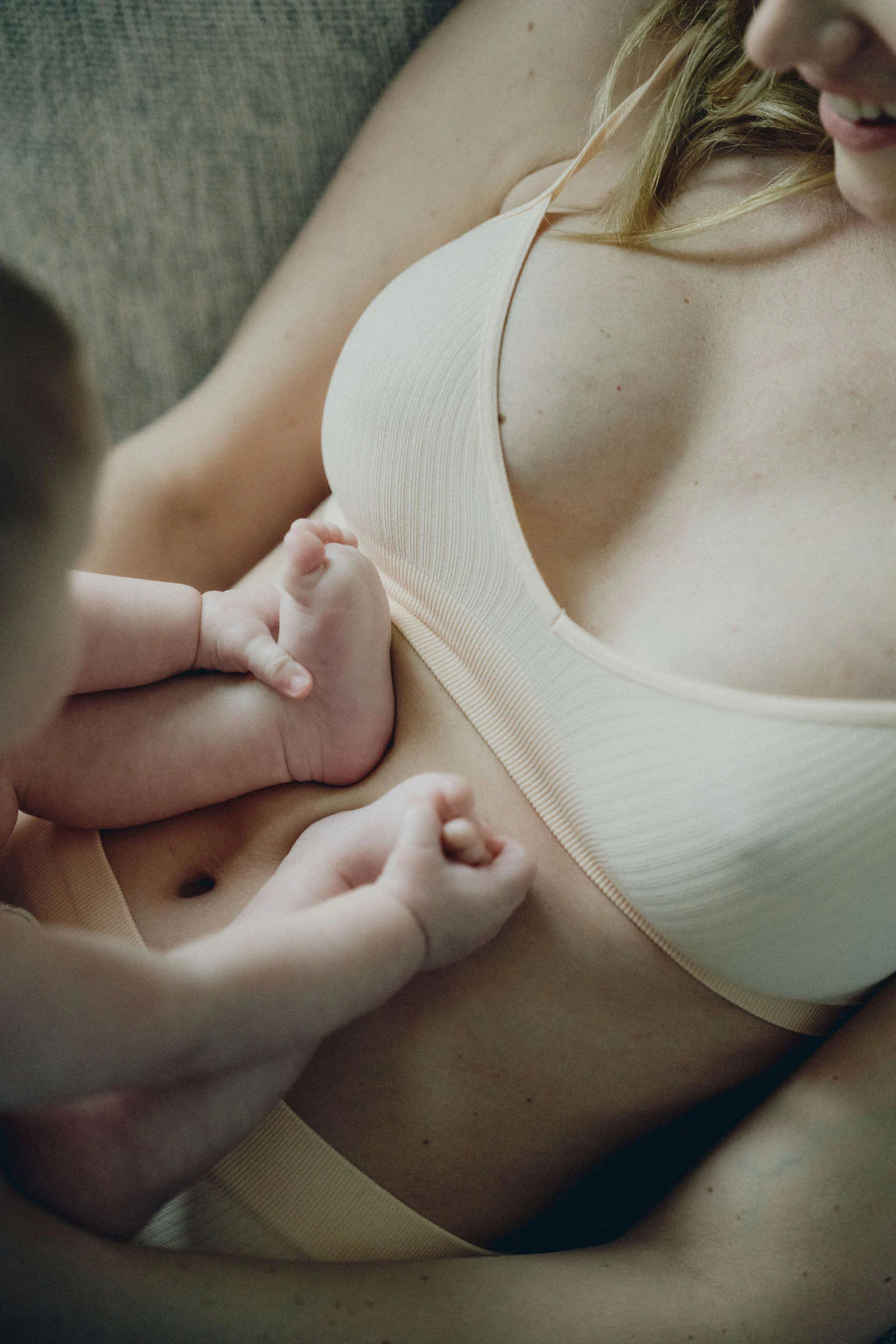
Then, after the birth, another shift takes place. Your body becomes functional, putting itself at the service of your baby: it carries, feeds, cradles and reassures. It is constantly in demand.
At the heart of all these concerns lies your body, which shelters life and then gives it. Your body, which is yours alone, the one you live in, which you see every day in the mirror, tends to be pushed aside.
Feeling good about your body can quickly take a back seat. As if it weren’t that important. As if it could wait.
It’s perfectly natural to want to feel good about your body
Wanting to look at yourself in the mirror, to admire yourself, to feel good about yourself and how you look in your clothes, is by no means frivolous. It is entirely legitimate, especially during a time of such intense change as motherhood.
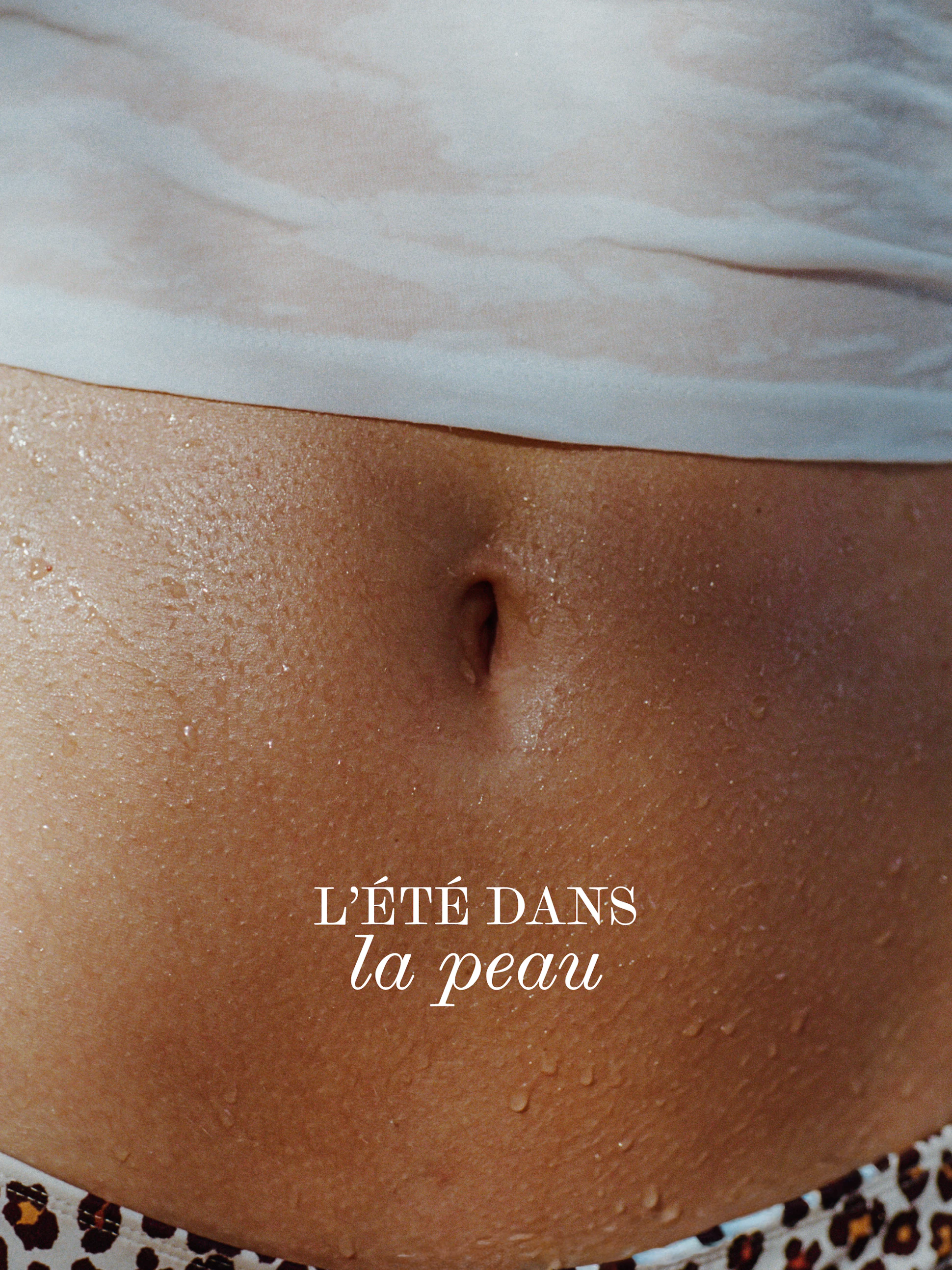
A changed tummy, marked skin, new curves… Not liking your stretch marks, finding your body different, not quite recognising yourself in it during or after having shared it for nine months… all of this can happen. It’s normal and certainly shouldn’t be brushed aside by telling yourself that you’re lucky to be expecting or to have a baby. Because behind this relationship with your body, it’s not just a question of appearance. It’s about the value you place on yourself, the way you deeply experience what you’re going through, and the connection you maintain with yourself.
So if this topic makes you wonder, if it’s on your mind, there’s no shame in that. This topic has every right to be discussed and deserves to be addressed.
If nothing’s bothering you on that front? That’s fine too. It’s up to you to decide how much weight to give to this legitimate concern.
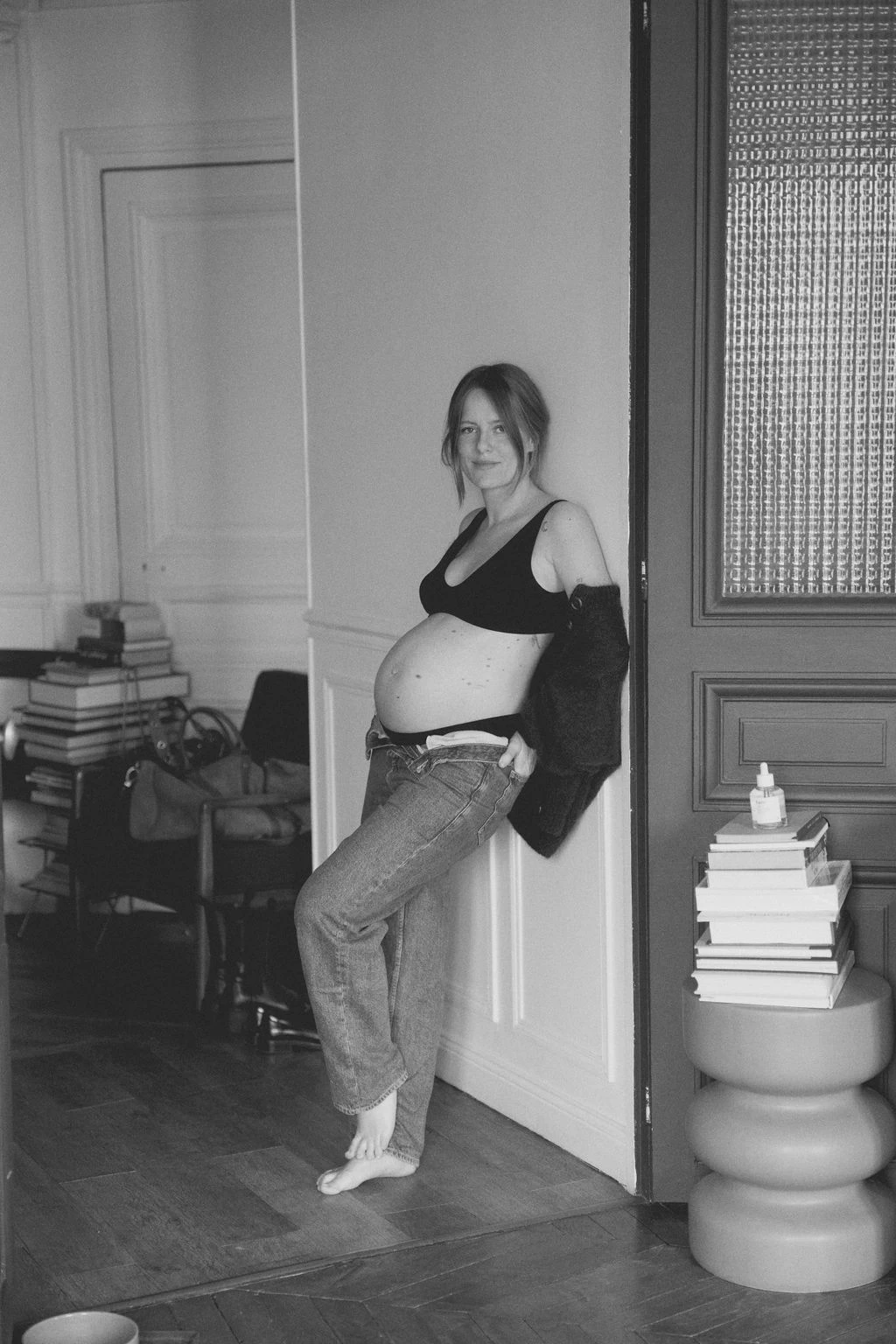
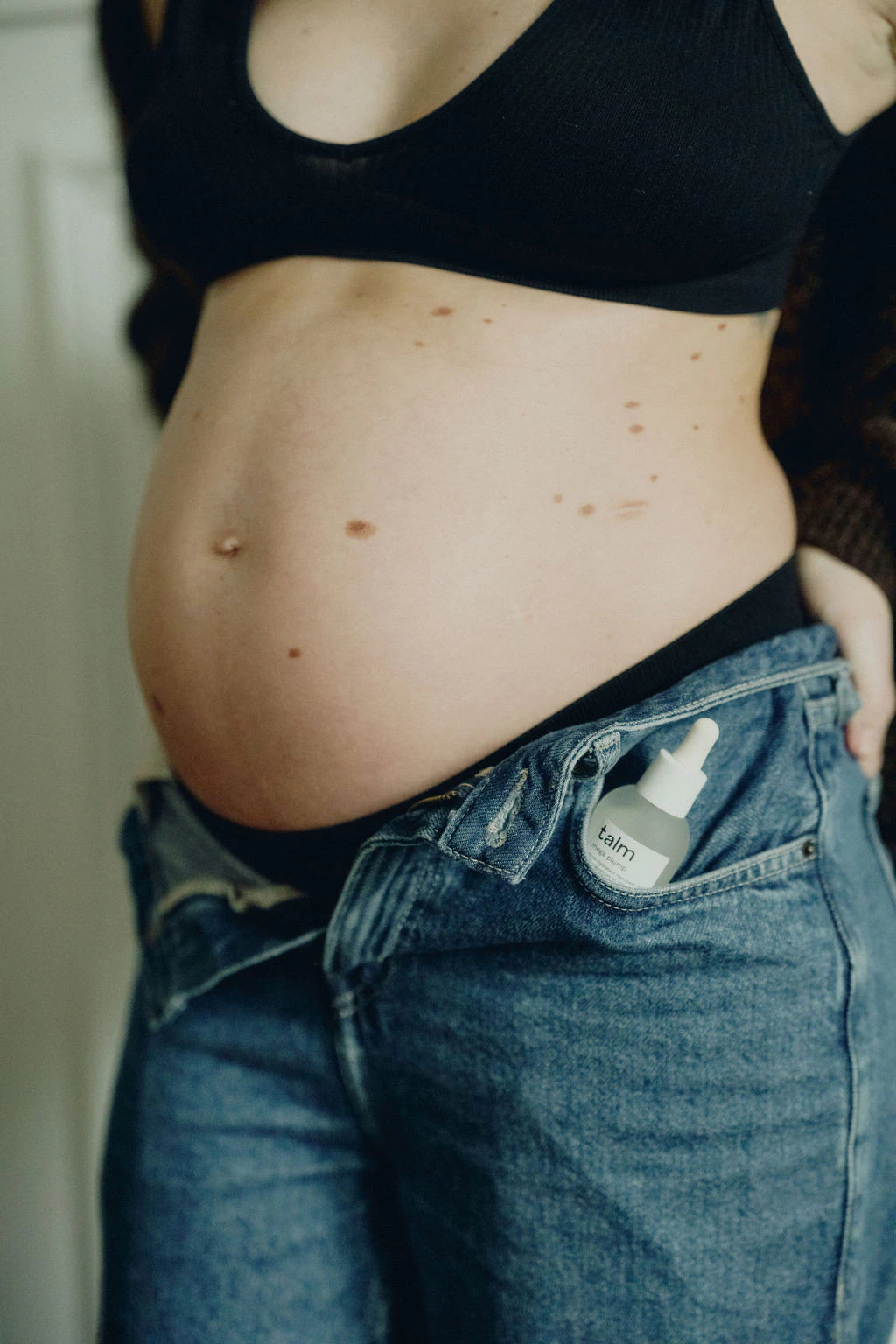
Looking after your body and continuing to feel like a woman
But what does it actually mean, in practical terms, to inhabit and care for one’s body?
Returning to one’s body does not mean trying to transform it or accepting it at any cost. It means, first and foremost, learning to look at it anew:
Reconnecting with your body can involve simple yet meaningful actions:
There’s no magic advice or one-size-fits-all solution: if there were, everyone would know about it. It’s up to you to pick and choose what speaks to you! You’re a mother, you’re a woman.
Becoming a mother adds a new dimension to your identity. But your identity remains multifaceted! We’re all too quick to assume that becoming a mother means putting yourself on the back burner.
Woman and mother: these two aspects coexist. Continuing to feel like a woman, to feel good about yourself, and to look after your body in no way diminishes your role as a mother.
Your body has achieved remarkable feats. You’ve moved mountains.
Taking care of it – and of yourself – is by no means a waste of time. So allow yourself this time without feeling the slightest bit guilty 🧡.
If reading and reflecting on what your body is going through does you good, we recommend the following books, which explore the relationship with oneself and one’s body throughout motherhood, all written by inspiring women.
We recommend:
- RAPHARD, Josepha. Mothers. 2023
- WEIZMAN, Iliana. This Is Our Postpartum. 2021
- ROY, Anna. Postpartum Lasts 3 Years. 2023
- FROIDEVAUX-METTERIE, Camille. Such a Big Belly. 2023
Summer under the skin - A film curation exploring the female gaze
Summer under the skin - A collaborative literary curation exploring our relationship with the body
Or how centuries of art history have shaped the way women see themselves in the mirror.
Five women, five different journeys, but always the same desire to learn to love ourselves.